
What is Drip Irrigation and why is it the future of water management?
What if you could deliver the precise amount of water and nutrients your plants need, exactly when they need it, directly to their roots?
This isn’t a future concept; it’s the reality of drip irrigation.
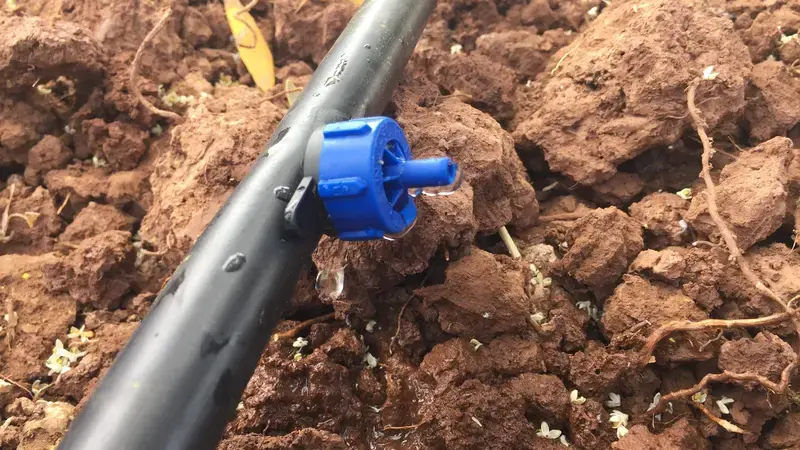
In simple terms, drip irrigation (also called trickle or micro-irrigation) is a system of tubes, pipes, and emitters that delivers water slowly and precisely to the soil surface or directly to the root zone. Unlike sprinklers that launch water into the air, drip irrigation “sips” water where it counts, eliminating the vast majority of waste.
But this is no longer just a clever technique for arid regions or high-tech farms. It is rapidly becoming a global necessity.
In places like Sub-Saharan Africa, where water is very hard to come by, groups like the U.N. Food and Agriculture Organization (FAO) have said that good irrigation is very important for food security. For Nigerian farmers and gardeners, switching from old methods to precision irrigation isn’t simply an improvement; it’s a major change in how we manage our most important resource.
The way things are now is not okay when traditional methods waste half the water before it even helps a plant.
This guide goes beyond the simplistic “it saves water” to look at the real economic and agricultural benefits of drip irrigation. In our water-limited world, the most important statistic is getting the most “crop per drop.”
Advantage 1: Unmatched Water Efficiency (90-95%)
The single most-cited benefit of drip irrigation is its radical efficiency. But the numbers are even more dramatic than most realize.
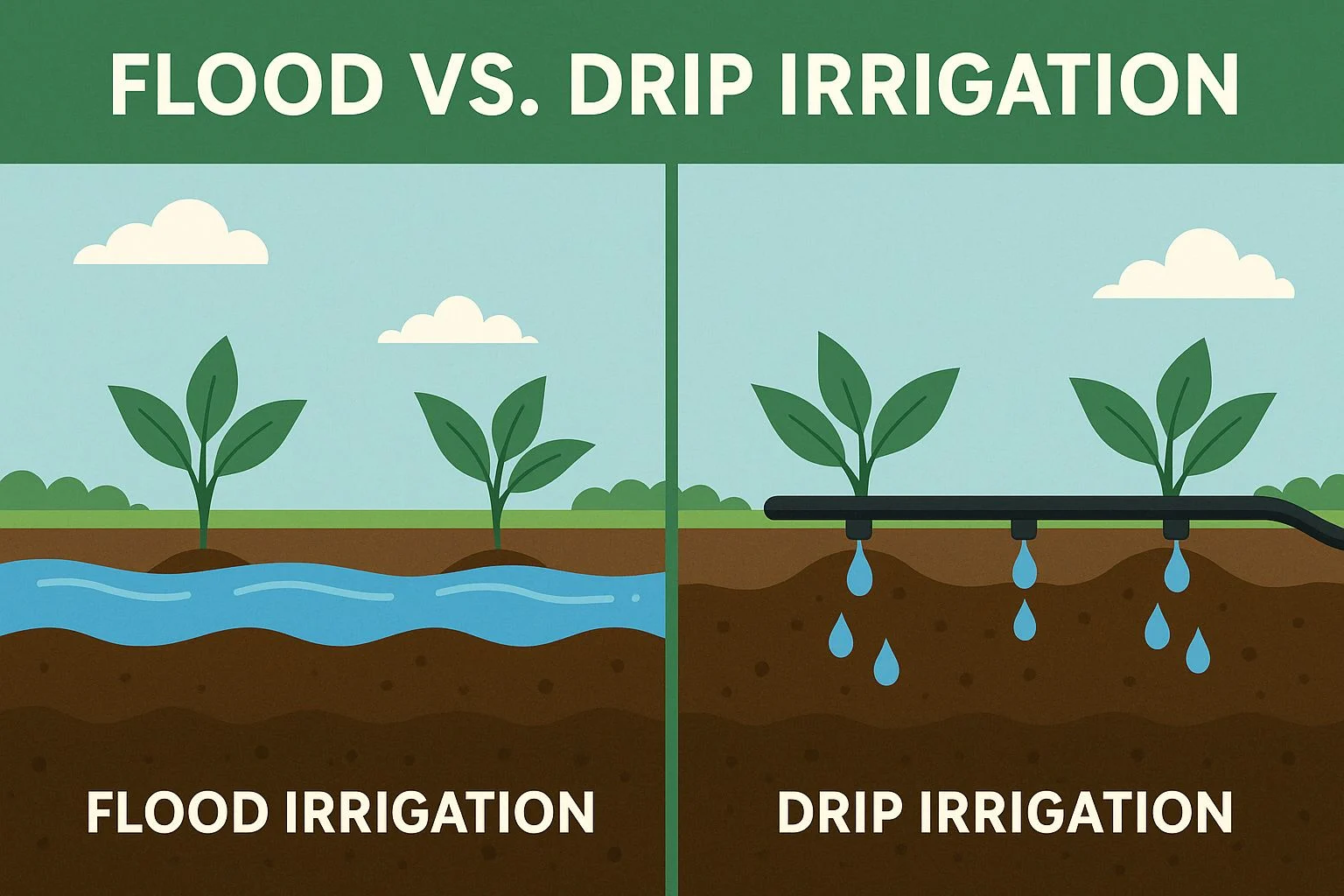
The Data: How Drip Irrigation Efficiency Smashes Sprinklers and Flood Methods
Water Application Efficiency (WAE) measures the percentage of water applied that actually reaches and is available to the plant’s root zone.
- Drip Irrigation: 90–95%+ efficiency
- Sprinkler Systems: 60–80% efficiency
- Flood/Furrow Irrigation: <50% efficiency
(Source: Data widely confirmed by agricultural university extensions and industry bodies like the American Society of Agricultural and Biological Engineers (ASABE)).
A sprinkler system losing 30% of its water to waste is considered optimistic. A drip system losing 10% is considered inefficient. This fundamental difference stems from how the water is lost.
Where is Water Wasted? How Drip Eliminates Evaporation, Runoff, and Deep Percolation
Drip irrigation tackles the three primary sources of water waste simultaneously:
- Evaporation: Sprinklers throw water into the air, where wind and sun evaporate it before it ever hits the ground. Drip applies water directly to the soil, virtually eliminating this atmospheric loss.
- Runoff: When water is applied faster than the soil can absorb it (like from a high-output sprinkler or a broken floodgate), it runs off the surface. Drip’s slow, steady “trickle” allows the soil to absorb water at a natural pace.
- Deep Percolation: This is the “hidden” waste. Applying too much water in one go sends it sinking past the root zone, where it becomes useless to the plant and leaches valuable nutrients with it. Drip provides only what the root zone can hold.
Why Drip is the Only Solution for Difficult Soils (Clay & Sand)
This is where drip’s precision becomes a game-changer. Soil type is the enemy of inefficient systems.
- On Heavy Clay Soil: Clay absorbs water very slowly. A sprinkler system will cause immediate surface pooling and runoff, wasting most of the water. Drip irrigation’s slow application rate (e.g., 1 gallon per hour) gives the clay soil time to absorb the water fully, preventing runoff entirely.
- On Fast-Draining Sandy Soil: Sandy soil can’t hold water well. A sprinkler or flood system causes rapid deep percolation—the water (and your fertilizer) washes right past the roots. Drip applies micro-doses of water more frequently, maintaining perfect moisture in the root zone without this wasteful leaching.
Advantage 2: The Economic Benefits (A TCO and ROI Analysis)
For any commercial farm or cost-conscious gardener, efficiency is only valuable if it translates to financial savings. Drip irrigation excels by dramatically lowering not just your water bill but also your total cost of operation.
For Commercial Farms: The Total Cost of Ownership (TCO) Showdown
The most common objection to drip irrigation is its higher initial cost compared to sprinklers. This objection is misleading because it ignores the Total Cost of Ownership (TCO).
A sprinkler system is cheap to buy but expensive to run. A drip system is an investment that pays you back, often within 1-3 seasons.
Based on data from our own field projects in Nigeria and established agricultural economic models, the TCO shift is clear. Let’s look at a conceptual 5-year TCO model comparing drip vs. a conventional sprinkler system for a 10-acre farm.
| Cost Factor | Center-Pivot Sprinkler (Example) | Drip Irrigation (Example) | The Drip Advantage (5-Year) |
|---|---|---|---|
| Initial Investment | -$40,000 | -$70,000 | (Higher Upfront Cost) |
| Water Costs | -$10,000 / year | -$5,000 / year | +$25,000 (50% saving) |
| Energy Costs (Pumping) | -$5,000 / year (High Pressure) | -$2,000 / year (Low Pressure) | +$15,000 (Runs on low PSI) |
| Labor Costs (Moving lines, Maint.) | -$4,000 / year | -$1,500 / year (Automation) | +$12,500 (Automation) |
| Fertilizer Costs | -$8,000 / year | -$4,000 / year (Fertigation) | +$20,000 (See Adv. 4) |
| Est. 5-Year TCO | -$130,000 | -$72,500 | ~$57,500 in TOTAL SAVINGS |
(Note: These figures are illustrative. The key takeaway is the shift from high operational costs to high operational savings.)
The TCO model doesn’t even include the financial upside of increased crop yield and quality, which is often the largest economic driver.
For Home Gardeners: Is Drip Irrigation Worth It for a Small Garden?
For a home gardener (like Maria from our persona), the ROI is calculated differently. It’s an investment in:
- Time: A $100 DIY kit connected to a $30 timer eliminates hours of hand-watering each week.
- Plant Survival: No more dead plants after a vacation. The system provides consistent moisture, preventing costly plant loss and replacement.
- Convenience: It removes the daily burden of watering, especially for complex setups like raised beds or patio containers.
Given that a simple DIY kit can cost less than replacing a few dead high-end perennials, the economic and practical payback is often realized in a single season.
Advantage 3: Superior Plant Health and Higher Crop Yields
This is the advantage that truly excites growers. Drip irrigation isn’t just a watering tool; it’s a plant health management system. It increases yield by shifting plants from a “survival” state to a “thriving” state.
How Drip Breaks the “Water Stress Cycle” for Better Yields
Traditional irrigation (sprinklers, hand-watering) creates a “water stress cycle”:
- Too Wet: Immediately after watering, the soil is saturated, pushing out oxygen and stressing the roots.
- Too Dry: A day or two later, the soil is dry, and the plant’s growth stalls as it enters conservation mode.
Plants waste energy adapting to this “feast and famine” cycle.
Drip irrigation breaks this cycle. By delivering small, precise amounts of water daily, it maintains a constant, optimal moisture level in the root zone. The plant never experiences water stress. All its energy is diverted into growth, flowering, and fruit production, leading to demonstrably higher yields and better quality.
Preventing Fungal Diseases: Why Dry Leaves Mean Healthy Plants
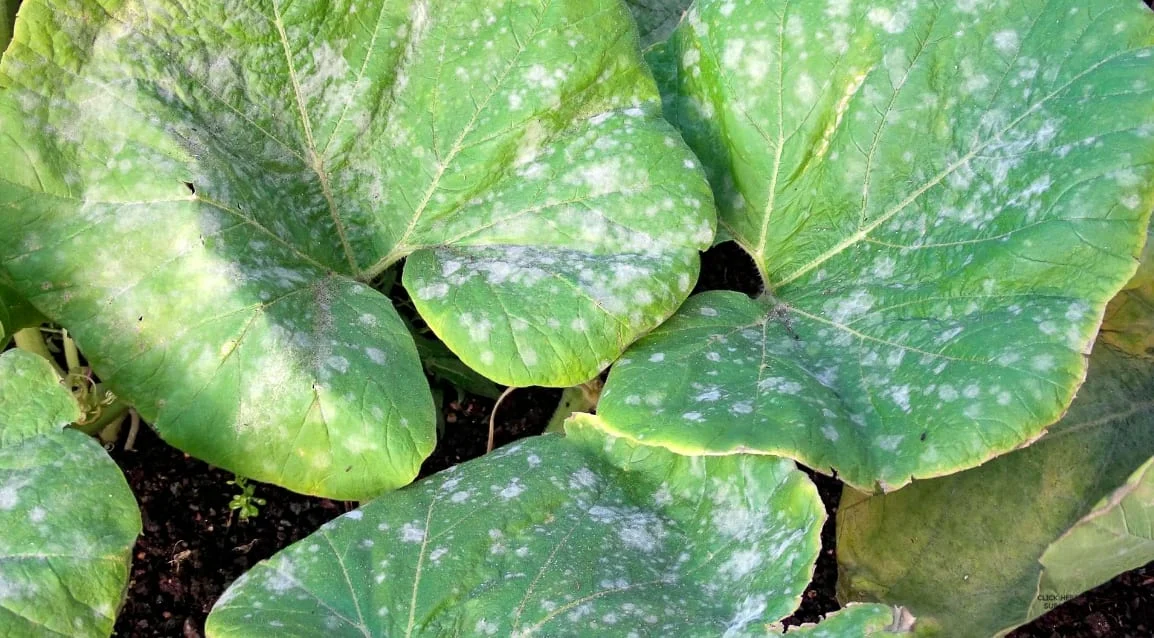
Sprinklers are a primary vector for plant disease. They spread fungal spores (like powdery mildew, downy mildew, and black spot) by splashing soil onto leaves and creating a damp, humid canopy.
Drip irrigation waters the soil, not the plant. By keeping foliage dry, you remove the primary condition required for most fungal diseases to take hold. This means less disease pressure, reduced need for fungicides, and healthier, more marketable crops. This is a principle confirmed by plant pathology guides from countless agricultural extensions (like this one on powdery mildew from the University of Minnesota Extension): dry foliage is the first line of defense.
Reducing Weed Competition & Improving Soil Structure
Drip systems only water a small, targeted area around your plants. The spaces and rows between plants remain dry, starving weed seeds of the water they need to germinate. This significantly reduces weed pressure and the labor required for weeding.
Furthermore, the gentle application of water prevents soil compaction and crusting, improving aeration and root health.
Advantage 4: Precision Nutrition (Fertigation)—The “Hidden” ROI Booster
This is arguably the biggest competitive advantage for commercial agriculture and a powerful tool for serious gardeners.
What is fertigation? (Delivering Nutrients Through Water)
Fertigation is the practice of injecting water-soluble fertilizers directly into the drip irrigation system. Instead of “broadcasting” expensive granular fertilizer (where much is lost to runoff or evaporation), you are spoon-feeding your plants exactly what they need, when they need it, at the root zone.
The Data: Using 50% Less Fertilizer for the Same (or Better) Results
The impact on Nutrient Use Efficiency (NUE) is staggering.
- Traditional Spreading: NUE can be as low as 30-40% (Source: University Extension research).
- Fertigation via Drip: NUE can reach 80-90% or higher (Source: Studies on precision agriculture, e.g., from UC Davis or the International Fertilizer Association).
This means you can achieve the same (or better) growth results while cutting your fertilizer bill by up to 50%. For a large farm, this represents a massive operational saving (as noted in our TCO model). It also has profound environmental benefits, dramatically reducing fertilizer runoff into local watersheds. In our work with Nigerian farmers, optimizing fertigation has proven to be the single largest driver of profitability, second only to water savings itself.
The Disadvantages: A Realistic Look at the Cons of Drip Irrigation
No system is perfect. Acknowledging the challenges of drip irrigation is the first step to mastering it. Unlike competitors who ignore these problems, we believe in providing solutions.
Con 1: Initial Investment (Cost)
Drip systems (especially commercial-grade ones with filters and automation) have a higher upfront cost than sprinklers or flood systems.
- Solution: As our TCO analysis proved, this is an investment, not an expense. The ROI from water, energy, labor, and fertilizer savings typically delivers a payback period of 1-3 years.
Con 2: Clogging Risk (The #1 Challenge)
This is the most significant operational risk. Emitters have very small openings and can be clogged by three types of contaminants:
- Physical: Sand, silt, or debris from the water source.
- Chemical: Mineral buildup (calcium carbonate, i.e., “scale”) in hard water.
- Biological: Algae, slime, and bacterial biofilms that grow inside the lines.
Your Clogging Prevention Checklist: How to Manage It Like a Pro
Clogging is not inevitable; it’s a sign of poor management. A professional system is a managed system.
- – [ ] 1. Start with Filtration (The Non-Negotiable): This is the heart of your system.
- For physical debris (well/pond water): Use a sand media filter or a disc filter.
- For clean municipal water (gardeners): A simple “Y” filter is often sufficient.
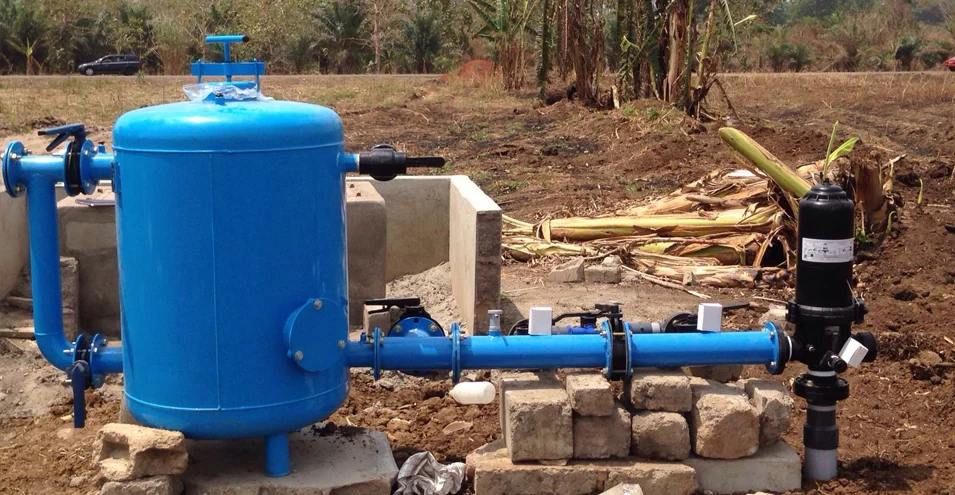
- – [ ] 2. Test Your Water: Before you install, know your enemy. A water test will reveal if you have high mineral content (chemical risk) or high iron/bacteria (biological risk).
- – [ ] 3. Perform Regular Line Flushing: At least once a season (or more for dirty water), open the end caps of your main lines and laterals and let the water run at full pressure for several minutes to flush out accumulated sediment.
- – [ ] 4. Consult Professionals for Chemical Treatment (If Required) In cases of severe chemical (mineral scale) or biological (algae, slime) clogging, a chemical treatment may be necessary. This is not a DIY task.
- High-Risk: The chemicals used (such as specific acids or chlorine-based products) are hazardous. Incorrect handling, dosing, or flushing can damage your system, harm your soil, and pose a severe safety risk.
- Action Required: You must consult a certified agronomist or a local university extension service (e.g., from a Nigerian agricultural university like FUNAAB). They will provide a recommendation based on your specific water analysis and will provide the correct Safety Data Sheets (SDS) and handling protocols.
- Do Not: Do not follow generic dosing advice from the internet. Dosages are specific to your water’s chemical makeup, flow rate, and system materials.
Con 3: Maintenance & Durability
Lines can be damaged by sunlight (UV degradation), animals (coyotes, rodents), or farm equipment.
- Solution:
- Durability: Purchase high-quality, UV-resistant tubing from reputable manufacturers. Always consult the manufacturer’s technical documentation for specifications on pressure tolerance and expected lifespan.
- Protection: For home gardens, cover the tubing with 2-3 inches of organic mulch (this also conserves moisture).
- Subsurface Drip (SDI): For farms, burying the lines (SDI) protects them from equipment and UV light, though it increases installation complexity.
Comparison Summary: Drip vs. Sprinklers vs. Soaker Hoses
Choosing the right system depends on your application.
| Feature | Drip Irrigation | Sprinkler Systems | Soaker Hoses |
|---|---|---|---|
| Efficiency | 90-95%+ (Best) | 60-80% (Fair) | 70-80% (Good) |
| Best For | Vegetable Gardens, Raised Beds, Orchards, Vineyards, Row Crops, Windbreaks | Lawns (Turfgrass), Large uniform areas, Cooling crops | Small flower beds, Closely spaced plants |
| Water Placement | Precision (at the root) | Broadcast (over the air) | Oozes along the length |
| Fertigation? | Yes (Excellent) | Yes (but inefficient, wets leaves) | No |
| Clogging Risk | High (Requires filters) | Low | Moderate |
| Initial Cost | Moderate to High | Low to High | Low |
| Operating Cost | Very Low | High (Water + Energy) | Very Low |
| Key Pro | Total precision & efficiency | Covers large areas quickly | Simple, cheap |
| Key Con | Requires filtration/maintenance. | High water/energy waste | Uneven watering, clogs easily |
Conclusion: Is Drip Irrigation the Right Choice for You?
The evidence is clear: drip irrigation is not just a method but a fundamental upgrade in resource management.
The Verdict for Farmers (Alex)
Drip irrigation is an essential business investment, not an optional expense. The “high initial cost” is a fallacy when viewed through the lens of Total Cost of Ownership. The combined savings in water, fertilizer, energy, and labor, paired with the increase in crop yield and quality, makes it one of the highest-ROI investments you can make in your operation. As a Nigerian-based agricultural service company, we have seen this transformation firsthand.
The Verdict for Gardeners (Maria)
Drip irrigation is an investment in freedom, convenience, and plant health. For less than the cost of replacing the plants you’ll lose to inconsistent watering or a summer vacation, you can automate your garden, reduce disease, and spend more time enjoying your space and less time managing it. It’s the same technology our professional farmers use, scaled for your home.
Frequently Asked Questions (FAQ)
1. How long does a drip irrigation system last?
A high-quality, UV-resistant drip system can last 10-15 years or more if properly maintained. Cheaper, thin-walled “drip tape” used in commercial farming may only be designed for 1-3 seasons. The filter and main components will last many years. Always check the manufacturer’s warranty and technical data.
2. Can you use drip irrigation for lawns?
While possible (using specialized subsurface drip lines), it is generally not the most cost-effective solution for turfgrass. Sprinklers, especially high-efficiency rotating nozzles, are typically better suited for broad, uniform lawn coverage. Drip excels at watering everything else (trees, shrubs, gardens, and flowerbeds).
3. What is the ideal pressure for a drip system?
Drip systems are low-pressure systems. Most components are designed to run between 15 and 30 PSI (pounds per square inch). A pressure regulator is a mandatory component to reduce your home’s water pressure (often 50-70 PSI) down to this safe operating level.
4. Is drip irrigation better than soaker hoses?
For precision, yes. Soaker hoses (made of porous rubber) tend to leak more water at the beginning of the line and less at the end, leading to uneven watering. Drip irrigation uses pressure-compensating (PC) emitters, a technology designed to ensure every plant receives the exact same amount of water, regardless of its position on the line.
5. How hard is it to install a DIY drip system?
For a home gardener, a DIY system is surprisingly easy. Most systems use “compression” or “barbed” fittings that push together without any glue or special tools (other than a simple punch tool and cutters). A typical raised bed setup can be installed in an afternoon.