
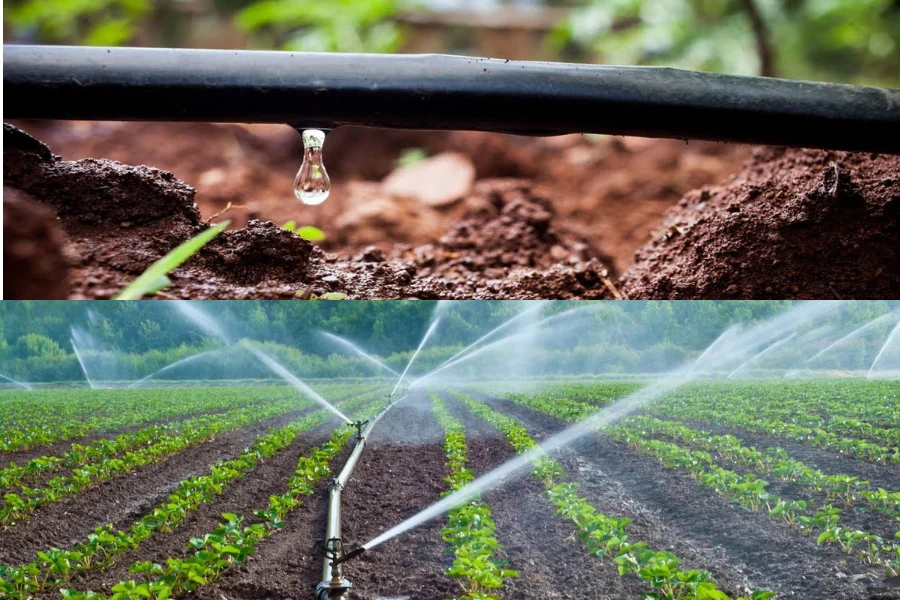
Faced with record droughts and relentlessly rising operational costs, you already know that efficient water management isn’t just an option; it’s the bedrock of your farm’s survival and profitability.
The switch to drip irrigation—with its proven 90% water efficiency, as cited by the UN’s Food and Agriculture Organization (FAO) in its irrigation efficiencies report—is the logical solution. But the real challenge isn’t deciding if you should use drip irrigation. It’s deciding who you should trust to manufacture it.
Choosing a drip irrigation manufacturer is a high-stakes, long-term decision. A poor choice doesn’t just mean a faulty dripper. It means committing your operation to years of maintenance nightmares, catastrophic clogging, inconsistent crop yields, and a Total Cost of Ownership (TCO) that eclipses any initial savings.
This article is not another superficial list of brand names.
This is a B2B buyer’s guide designed for two specific audiences: the commercial grower focused on long-term reliability and TCO, and the distributor or OEM partner who needs a reliable, high-quality manufacturing backbone.
We will start by providing a critical B2B Buyer’s Checklist—the exact criteria you should use to evaluate any manufacturer. Then, we will analyze the top 10 manufacturers, from global giants to the high-performance alternatives, helping you make a decision that pays dividends for the next decade.
How to Choose a Drip Irrigation Manufacturer: A B2B Buyer’s Checklist
Before you look at a single brand, you must become an educated buyer. The biggest mistake is comparing manufacturers on price-per-meter alone. A professional B2B evaluation rests on three pillars: Technical, Quality Control, and Business Model.
Use this checklist to vet any potential supplier.
1. Technical & Material Verification
This is where 90% of future failures originate. You must investigate the science behind the product.
- Pressure Compensating (PC) vs. Non-PC: Does the manufacturer have a proven, high-precision PC dripper? For any land that isn’t perfectly flat, PC drippers are non-negotiable for ensuring uniform water and nutrient distribution to every single plant.
- Anti-Clogging Technology: Ask to see the dripper’s internal design. Look for wide, turbulent flow paths and self-flushing mechanisms. This is the single most important feature for reducing long-term maintenance labor.
- Material Science (The Critical Question): Ask for a “100% Virgin Resin Guarantee.” Many low-cost manufacturers use “recycled resin,” which is a catastrophic choice. Recycled materials have inconsistent molecular structures, making them brittle and highly susceptible to UV degradation, heat stress, and chemical cracking.
- UV & Chemical Resistance: Ask for test data. A professional manufacturer should be able to provide data from accelerated weathering tests, such as ASTM G154, which proves the product can withstand years of intense sunlight and fertilizer application.
2. Manufacturing & Quality Control
A great design is useless if the manufacturer can’t produce it consistently, day in and day out.
- The ISO 9001:2015 Certification: This is the most important evidence you can ask for. An ISO 9001:2015 certification is not just a piece of paper; it proves the manufacturer has a rigorous, audited Quality Management System (QMS). It is your single best assurance that the 1,000th meter of pipe will have the exact same wall thickness, dripper spacing, and material integrity as the first.
- Production Transparency: Ask about their production lines. Are they automated? What are their quality control tolerances for wall thickness or dripper flow rate? A confident manufacturer will be transparent about their process.
3. Business & Partnership Model
Finally, evaluate them as a partner, not just a supplier.
- Total Cost of Ownership (TCO): Do they talk about TCO, or just the initial price? Ask for the product’s expected lifespan and warranty terms. A 3-year warranty vs. a 7-year warranty changes your entire ROI calculation.
- Warranty Terms: Read the fine print. Does the warranty cover labor? What are the exclusions?
- (For Distributors) OEM/ODM Flexibility: If you are a distributor, this is paramount. What is their Minimum Order Quantity (MOQ)? What is their average lead time? Can they customize products with your branding (logo printing, custom packaging) and specific technical requirements (wall thickness, spacing, color)?
Now, with this professional framework, let’s analyze the top players in the market.
The 2025 Top 10 Drip Irrigation Manufacturers List
We have categorized the top 10 manufacturers based on their market position and primary value proposition.
Part 1: The “Big 3” Global Leaders
These companies are the titans of the industry, defined by massive scale, pioneering technology, and extensive global distribution networks.
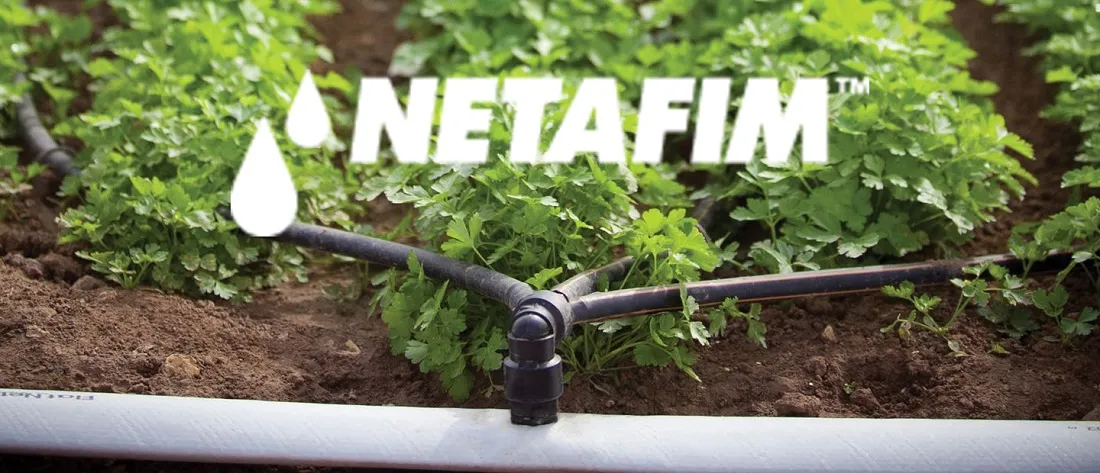
1. Netafim (Orbia):
- Overview: The company that started it all. Netafim invented the pressure-compensating (PC) dripper and remains the market’s foremost technology and innovation leader. Now part of the Orbia conglomerate, they are heavily invested in digital farming (NetBeat) and end-to-end project management.
- Technical Specialization: Unmatched R&D in dripper technology, digital agriculture platforms, and comprehensive crop management solutions.
- B2B Model: A powerful, established global distribution network. Their brand is their strength, but this often translates to high brand premiums and a rigid, multi-layered channel.
2. Rivulis (Inc. Eurodrip & Metzer)
- Overview: A giant in its own right, Rivulis has grown aggressively through strategic acquisitions (like Eurodrip and Metzer) to become a global powerhouse with a massive footprint.
- Technical Specialization: An incredibly broad product portfolio, from heavy-duty driplines to seasonal drip tape (T-Tape). They are exceptionally strong in large-scale agricultural projects.
- B2B Model: Focused on global reach and strong support for their established dealer networks. They compete with Netafim on scale and project-delivery capabilities.
3. Jain Irrigation Systems
- Overview: An Indian multinational that has built a vertically integrated empire. Jain is involved in everything from plastic resins and pipes to solar pumps, tissue culture, and food processing.
- Technical Specialization: Their strength is in providing a “total solution” for agriculture. They are also known for their focus on “affordable innovation” and strong farmer training programs.
- B2B Model: Operates as a one-stop shop for everything a large-scale agricultural project or region might need, often working directly with governments and NGOs.
Part 2: The Established US & Global Specialists
These companies leverage their expertise in specific areas—often turf, controls, or pivots—to hold significant market share.
4. The Toro Company
- Overview: A household name in the US, Toro is a leader in turf and landscape maintenance. They translate this expertise into agriculture with their well-regarded Blue Stripe® dripline and Aqua-Traxx tape.
- Technical Specialization: Extreme product durability. Their products are known for being heavy-duty and reliable, particularly in demanding US agricultural applications.
- B2B Model: Strong, loyal distribution network, especially in North America. They are a trusted brand for growers who prioritize “buy-it-once” durability.
5. Rain Bird
- Overview: Like Toro, Rain Bird is a leader in the golf and landscape market, but with a deep specialization in control technology (valves, filters, controllers).
- Technical Specialization: System intelligence. Their strength lies less in the dripper itself and more in the “brain” that controls the entire irrigation system, ensuring water is delivered precisely when and where it’s needed.
- B2B Model: An extensive, global network of installers and distributors who trust their components for building reliable, automated systems.
Part 3: The High-Performance Alternatives & OEM Partners
This is a critical category for growers and distributors looking for an edge. These manufacturers compete not by being the “biggest,” but by being the “smartest”—offering superior TCO, agility, or specialized partnership models.
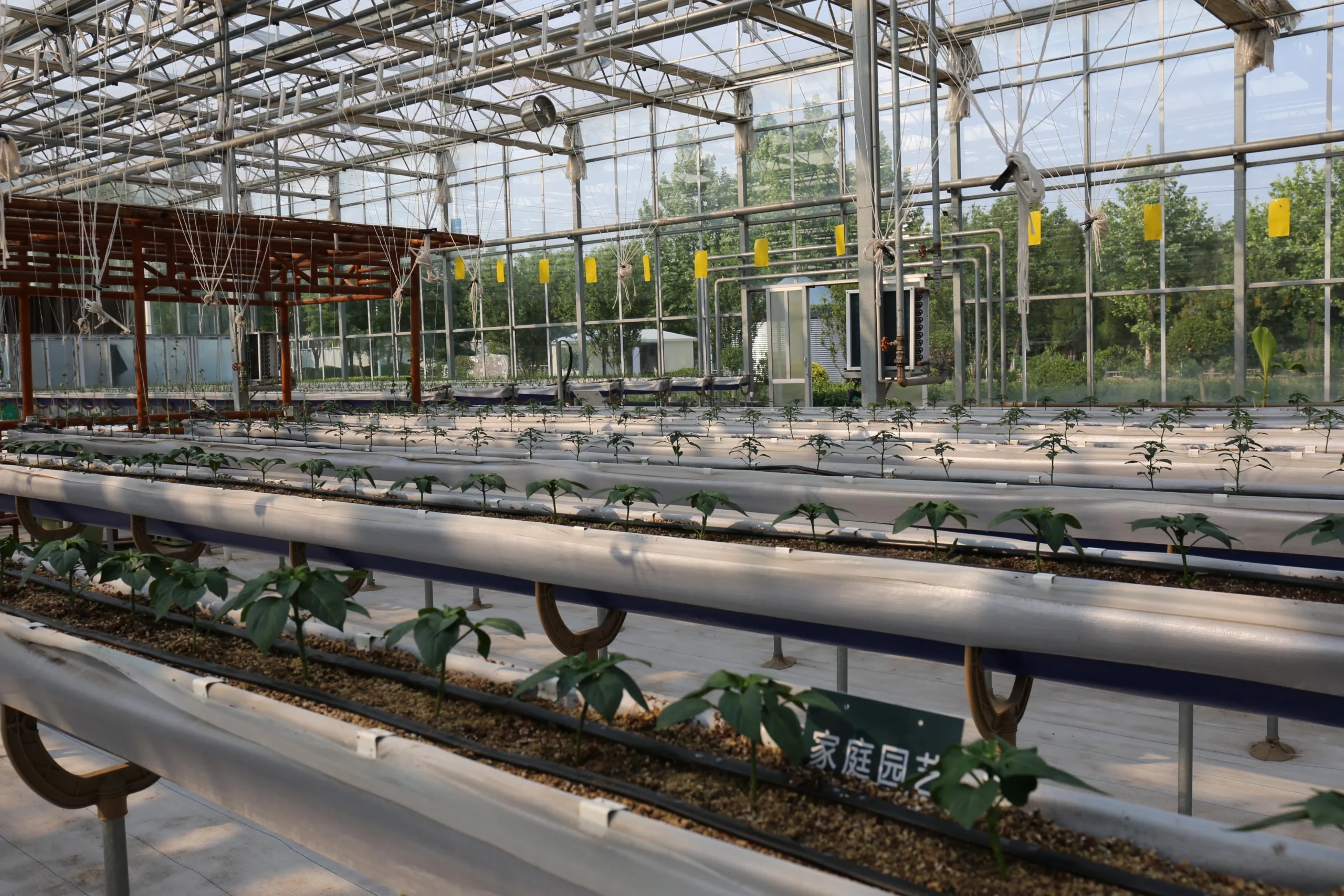
6. OKD AgroTech
- Overview: OKD AgroTech represents the new guard of manufacturing excellence. They are a prime example of a manufacturer focused on high-performance TCO and premier OEM partnership.
- Technical Specialization: They meet the “B2B Buyer’s Checklist” criteria head-on. Their focus is on precision engineering and material science, producing high-performance anti-clogging PC drippers and durable driplines using 100% virgin resin.
- B2B Model (The Key Differentiator):
- For Growers (TCO Advantage): OKD AgroTech provides performance and durability on par with top-tier brands but with a significantly more attractive TCO, achieved by being a direct-from-factory manufacturer.
- For Distributors (OEM/ODM Advantage): This is their core strength. As an ISO 9001:2015 certified factory, they offer unparalleled flexibility for OEM/ODM partners. They provide full customization (wall thickness, spacing, logo printing, packaging) and factory-direct pricing, allowing distributors to build their own brand with high margins, backed by verifiable quality.
7. Hunter Industries
- Overview: A major competitor to Rain Bird, Hunter is renowned for its high-quality irrigation products, especially in the residential and commercial landscape sectors.
- Technical Specialization: Like Rain Bird, their expertise is in system components: high-efficiency nozzles, durable valves, and advanced controllers.
- B2B Model: A strong, professional-focused distribution channel, appealing to installers who value system integration and reliability.
8. Lindsay Corporation
- Overview: A global leader in mechanized irrigation, Lindsay is the company behind Zimmatic™ center pivots.
- Technical Specialization: Pivot and automation integration. They offer drip irrigation as part of a complete field management solution (FieldNET), allowing a grower to manage both pivot and drip systems from one platform.
- B2B Model: Their primary channel is their established network of pivot dealers, offering drip solutions as a complementary product.
9. Dayu Water Saving Group
- Overview: A leading Chinese manufacturer with a massive domestic and international presence, particularly in large-scale infrastructure.
- Technical Specialization: Comprehensive project delivery. Like Jain, Dayu has the capability to design, manufacture, and install entire water-saving projects, often for government clients.
- B2B Model: Focused on large-scale tenders, infrastructure projects, and establishing a global footprint through major partnerships.
10. (Rotec/Metzer – Now Rivulis)
- Note: The irrigation market is consolidating. Many strong regional players, like Metzer and Rotec, have been acquired by the “Big 3.” The 10th spot is often held by strong regional specialists in markets like Turkey, Spain, or Brazil.
Beyond the Brand Name: Why TCO Matters More Than Price Per Meter
For a commercial grower, the single most important metric is Total Cost of Ownership (TCO). The initial purchase price of your dripline might account for only 30% of its true cost over a 5-year period.
The hidden costs of “cheap” drip irrigation (often made with recycled resin) are staggering:
- Clogging & Maintenance: Low-precision drippers clog easily. This means paying for labor crews to walk the fields, find, and manually fix or flush blockages.
- Reduced Crop Uniformity: Clogged drippers lead to dry spots, stressing plants and reducing yield in that zone.
- Early Replacement: UV degradation and material brittleness can cause widespread cracking and leaks after just 2-3 seasons, forcing a complete, unplanned system replacement.
- Wasted Resources: Leaks and clogs waste water, fertilizer (fertigation), and energy (pumping).
A 5-Year TCO Comparison (Illustrative Example)
| Manufacturer Type | Initial Cost (Per Acre) | 5-Year Repair/Labor Cost | 5-Year Replacement Cost | 5-Year TCO |
|---|---|---|---|---|
| “Cheap” Supplier | $300 (Lowest Price) | $450 (High maintenance) | $300 (System failed in Year 3) | **$1,050** |
| OKD AgroTech | $400 (Competitive Price) | $50 (Low maintenance) | $0 (System designed for 5-7+ years) | **$450** |
| “Big 3” Brand | $600 (High Premium) | $50 (Low maintenance) | $0 (System designed for 5-7+ years) | **$650** |
As this 2023 research from MDPI shows, the entire value of drip irrigation is tied to its ability to improve crop yield and save water. When a system fails, that value is destroyed.
The smart investment is not the cheapest product; it’s the product with the lowest TCO. Manufacturers like OKD AgroTech, who focus on ISO-certified quality control and 100% virgin materials, are explicitly built to win on TCO.
[Information Gain] For Distributors: The Value of a True OEM/ODM Partner
If you are a distributor, your challenges are different. You are fighting for margin, managing inventory, and building your own brand’s reputation.
Partnering with a “Big 3” brand often means high brand recognition but comes with rigid pricing, high competition, and low margins.
Partnering with a “cheap” supplier from a trading site is even riskier. You stake your reputation on an unverified product, and if (or when) it fails, your brand is the one that takes the hit.
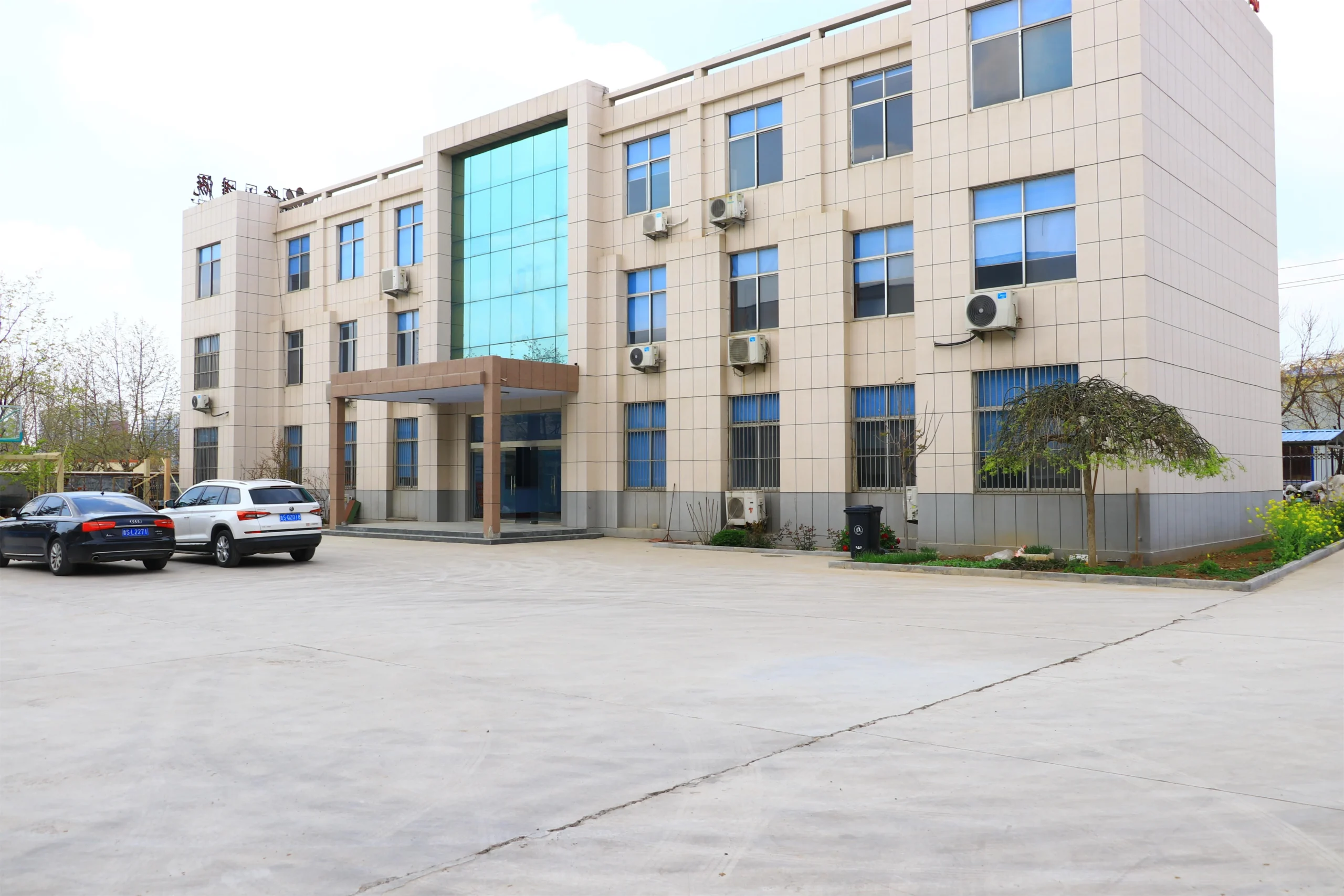
This is why the OEM/ODM partnership model is so powerful. A true partner, like OKD AgroTech, offers a third way:
- Profit Margin: You get factory-direct pricing, removing the layers of distribution markups.
- Quality Control: Your partner is ISO 9001 certified, meaning you have verifiable, consistent quality. Your reputation is protected.
- Brand Flexibility: You can build your brand. The manufacturer provides full customization—your logo, your packaging, your technical specs—allowing you to own the customer relationship.
Your brand’s success depends directly on the manufacturing quality and flexibility of your supplier.
Frequently Asked Questions (FAQ)
Who is the largest manufacturer of drip irrigation?
As of 2025, Netafim (part of Orbia) and Rivulis are the two largest manufacturers by global market share, with extensive product lines and a presence in almost every country.
What is the lifespan of commercial drip irrigation pipe?
This depends entirely on the material quality. A high-quality dripline made from 100% virgin resin with strong UV inhibitors can last 5 to 10+ years. A cheap pipe made from recycled materials may degrade and become brittle in as little as 2-3 years.
How much does a commercial drip irrigation system cost per acre?
The cost varies widely based on crop type, water source, and automation levels, typically ranging from $500 to $2,500 per acre. While the initial cost is a factor, programs like the USDA’s Environmental Quality Incentives Program (EQIP) may offer financial assistance to offset the investment. Always prioritize TCO over initial cost.
Are Chinese drip irrigation manufacturers (like OKD AgroTech) reliable?
This is a common and important question. The quality is not determined by the country, but by the manufacturer’s quality system. It is crucial to avoid low-price, non-certified factories. A top-tier Chinese manufacturer like OKD AgroTech, which is ISO 9001:2015 certified and transparent about using 100% virgin materials, competes on quality and reliability with the best manufacturers in the world.
What is the difference between drip tape and dripline?
- Drip Tape: Has a thin wall (e.g., 6-15 mil) and is typically used for single-season crops like vegetables or strawberries. It is disposed of or recycled after the season.
- Dripline: Has a thick, rigid wall (e.g., 30-45 mil) and is a permanent solution used for multi-season crops like orchards, vineyards, and greenhouses.
Conclusion: Making Your Final Decision in 2025
The drip irrigation market is no longer a simple choice between a few big brands. The decision in 2025 is more complex, but also filled with more opportunity.
As a commercial grower, your focus must be on Total Cost of Ownership (TCO). Look past the initial price tag and use our B2B Buyer’s Checklist to find a manufacturer who can prove their long-term reliability with material guarantees (100% virgin resin) and quality certifications (ISO 9001).
As a distributor or OEM partner, your focus must be on margin and flexibility, backed by verifiable quality. You need a manufacturing partner who can help you build your brand and protect your reputation.
The smartest choice is often not the most famous brand, but the partner who provides the best long-term value.